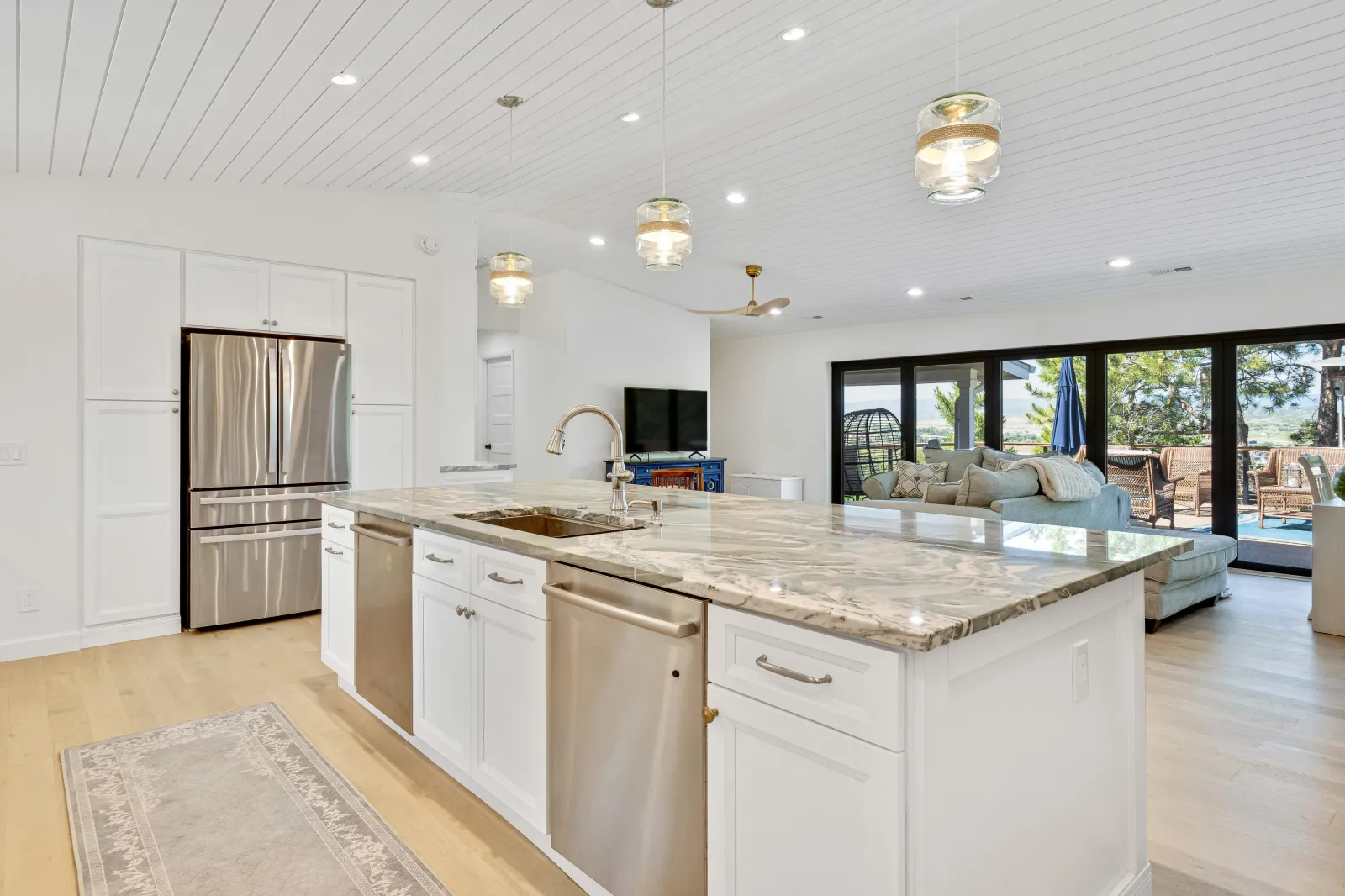
A Remodeling Process That Resolves the Big Decisions Before Construction
CTC aligns investment, design, scope, materials, and scheduling before the build begins—then Kent leads the work from construction through final walkthrough.
Why the Process Matters More Than the Steps
Many remodeling problems are not caused by poor craftsmanship. They happen when design, budget, and construction are handled separately—so expensive decisions get pushed into the build phase, when changes cost more and disrupt the schedule. CTC's process is designed to resolve those decisions early, with one accountable team from the first conversation to the final walkthrough.
Why Remodeling Projects Become Harder Than They Should
Most remodeling problems begin before construction.
- The design is developed without realistic cost guardrails.
- Important scope details remain unresolved.
- Materials are selected too late.
- Responsibility is divided among disconnected providers.
- Homeowners are forced to make expensive decisions under pressure.
CTC's process is designed to address those risks earlier—while changes are still easier and less expensive to make.
Why Budget Comes Before Detailed Design
Many remodeling projects begin with layouts, finishes, and wish lists before anyone establishes whether the complete project can be built within the homeowner's intended investment.
That creates expensive backtracking. Homeowners become attached to a design, only to discover that the construction scope, materials, and existing conditions require a substantially different investment.
CTC takes a budget-first approach. Before detailed design moves forward, we discuss your priorities, existing conditions, project scope, and realistic investment expectations.
That gives every later decision a practical foundation—from layout and cabinetry to fixtures, materials, and construction details.
The objective is not to spend your entire budget. It is to use the investment range honestly so we can help you make informed tradeoffs and direct more of it toward what matters most.
Fit & Feasibility
Outcome: You understand whether the project, timing, investment expectations, and working relationship make sense before committing to detailed design.
Start With a Conversation
A short phone conversation about your goals, location, timing, and realistic investment range. CTC explains the budget-first design-build model and determines if the project appears to be a mutual fit.
Whether the conversation makes sense for your project and timeline.
You get clarity on fit before investing time in detailed planning that may not be right for either side.
Walk Through the Space
If both sides agree to proceed, owner Kent visits your home to inspect the existing space, discuss layout considerations, and understand your lifestyle preferences on site.
Whether the working relationship and Kent's assessment of the space give you confidence to move forward.
On-site conditions affect what is realistically possible. Seeing the space in person prevents plans built on assumptions.
Establish a Realistic Investment Range
CTC compares your goals, existing conditions, priorities, and material expectations against a practical planning range before committing to detailed design work.
Whether that investment aligns with what you want the project to accomplish.
It prevents detailed design from being developed around a scope that cannot realistically be built within your intended investment.
Not Sure Whether Your Project Is Ready?
Start with a short conversation. We'll help you determine the most practical next step—no pressure to commit to anything further.
Design & Pre-Construction
Outcome: The important layout, scope, material, trade-coordination, and sequencing decisions are addressed before construction begins.
Develop the Design and Scope
Layouts, material selections, and fixture specifications are finalized. Scope is clearly defined so you know what is included before construction begins.
The layout, materials, fixtures, and scope details that shape the finished project.
Resolving design decisions early prevents expensive backtracking during construction, when changes cost more and disrupt the schedule.
Finalize Selections, Permits, and the Construction Plan
Trade scheduling, material ordering, and construction sequencing are planned before work begins. Required permits or professional coordination are arranged based on the confirmed scope.
Final material selections and confirmation of the construction plan.
You receive a clear picture of what to expect during construction—what happens when, and what has already been ordered and scheduled.
“We hired Kent and his team to remodel our kitchen (new cabinets, countertop, backsplash, sink, appliance install) and were very happy with the results. We even encountered some surprises along the way once demo was complete and Kent was great about walking us through our options and finding both cost-effective and appropriate solutions to keep us within our budget and design. Everything came out better than we hoped and was completed on time!”
Build & Complete
Outcome: Kent remains accountable for coordinating the work, communicating decisions, addressing changing conditions, and reviewing the completed scope with you.
Build With Hands-On Oversight
Construction begins with site protection. Owner Kent oversees trade specialists, coordinates material deliveries, and manages inspection schedules when permits are required for the project.
Decisions that arise from on-site conditions, reviewed with Kent as they come up.
One accountable leader means issues are caught and addressed by the person who understands the full project—not passed between disconnected parties.
Communicate Throughout Construction
CTC communicates progress, upcoming work, decisions requiring homeowner input, and changing site conditions. Material changes to the approved scope are documented and discussed before the related work proceeds.
Input on decisions that affect your home, budget, or timeline.
You are never left guessing what is happening, what comes next, or whether a problem is being handled.
Complete the Final Walkthrough
After installation and finishing, Kent conducts a thorough final walkthrough with you to verify every detail meets our standards and address any remaining items.
Confirmation that the completed scope meets your expectations.
The project is not considered complete until you and Kent have reviewed the finished work together.
What Should Be Resolved Before Construction Begins
The budget-first process is designed to address each of these before the build starts—so you move forward with realistic expectations.
Explore What CTC Builds
Process Questions Homeowners Ask
Start With a Conversation
Tell us what you're considering. During a short phone conversation, CTC will learn about your goals, location, timing, and realistic investment expectations. If the project appears to be a mutual fit, the next step is an in-home walkthrough with Kent.
No pressure and no obligation. The purpose of the first conversation is to determine the most practical next step.